
Secure Payments




Plays & Poetry

View as
Sort by
Filter by attributes

Real Words - Poetry
9781739370558
These powerful and evocative poem that captures moments of introspection and a sense of place.
€15.00
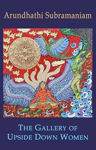
The Gallery of Upside Down Women
9781780377438
Arundhathi Subramaniam's poems map a wobbling world, trying to find its axis in a season of change. Fabrics tear, lands splinter, stances harden, loved ones die, names dissolve. But wandering through these pages are some extraordinary women - women who vault nimbly over borders, walk naked, walk aslant, and sometimes upside down.
€13.57
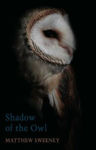
Shadow of the Owl
9781780375427
Matthew Sweeney's final collection brings together poems written during a year of debilitating illness before his death from Motor Neuron Disease in 2018. All his verve and spiky humour are here, following, as always, unnerving dream logic. But the dream is now a nightmare and the catastrophe, impending in all his earlier poems, has come to pass.
€13.13
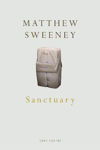
Sanctuary
9780224073455
Includes poems from a mapless journey through the backwaters of Europe and the New World - imbued, as always, with the strange, unerring logic of dream, but carrying now a new, fugitive, lyrical note.
€15.52
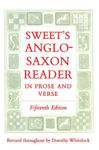
SWEET'S ANGLO-SAXON READER IN PROSE
9780198111696
This popular reader-a standard since its first edition in 1876-helps students acquire a sound elementary knowledge Old English by studying of a rich variety of poetry and prose. Selections cover a wide range of dialects and genres, from an early Northumbrian form of Caedmon's Hymn and ninth-century Kentish charters to the complete texts of The Dream of the Rood and Wulfstan's Address to the English, with ample literary and historical notes.
€49.54
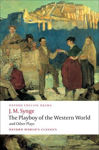
Playboy Of The Western World and other plays
9780199538058
J M Synge was one of the key dramatists in the flourishing world of Irish literature at the turn of the century. This volume offers all of Synge's plays, which range from racy comedy to stark tragedy, all sharing a memorable lyricism. The introduction sets Synge's work in the context of the Irish literary movement, with special attention to his role as one of the founders of the Abbey Theatre and his work alongside W. B. Yeats and Lady Gregory. Includes: Riders to the Sea; The Shadow of the Glen; The Tinker's Wedding; The Well of the Saints; The Play of the Western World; Deirdre of the Sorrows
€9.22
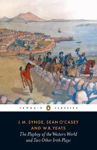
The Playboy of the Western World and Two Other Irish Plays
9780140188783
A murderer becomes the toast of the village as his charm negates his crime. A young countess saves her tenants from starvation, but only by selling her soul to the Devil. The sleepy parish of Nyadnanave sees a vision of a cockerel that dares the inhabitants to break the shackles of Church and State.
€15.03
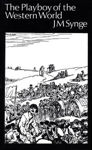
PLAYBOY OF THE WESTERN WORLD
9780853424062
Synge's masterpiece about a father, a son, a woman in love and a tragedy.
€9.99
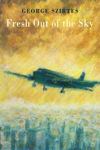
Fresh Out of the Sky
9781780375847
George Szirtes fled from Budapest with his family after the 1956 Hungarian uprising. Many of these poems relate to his arrival in England as a young child, and to the themes of identity, memory, belonging, war, and upheaval, with a sequence on living now in a country under siege from coronavirus.
€15.52