
Secure Payments




Business & Commerce
View as
Sort by
Filter by attributes
Femonomics: What Data Tells Us About Women's Lives and How to Get the Most Out of Yours
9781399737609
Femonomics is a data-driven guide to empower women to make choices that will reclaim their time, energy and joy, written by an economics professor at Wharton. This is Lean In, 2.0.
€25.38
Femonomics: What Data Tells Us About Women's Lives and How to Get the Most Out of Yours
9781399737616
Femonomics is a data-driven guide to empower women to make choices that will reclaim their time, energy and joy, written by an economics professor at Wharton. This is Lean In, 2.0.
€19.57
Money Doctors 2026
9781739088231
Welcome to the 21st edition of Ireland's #1 personal finance annual - Ireland's financial bible, helping you to save and make money. John Lowe of MoneyDoctors.ie has helped thousands of Irish people over the years make the most out of their money and obtaining value at all times. Learn the basics of budgeting and planning, pensions, savings and investments, mortgages and debt management as well as life and health insurance strategies.
€12.99
Guerrilla Advertising 2
9781856697477
Showcases the varied and inventive tactics that are being used by big-name brands, non-profit organizations and individuals to promote themselves, their ideas and their products. This title features over 70 international campaigns, including: Stunts, Street Propaganda, Sneaky Tactics, Site-specific campaigns and Multi-fronted attacks.
€28.80
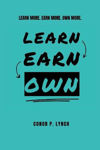
Learn Earn Own: Learn More. Earn More. Own More.
9781806050987
From Career Ladder to Career Assets: Futureproof Your Work in the Age of AI.
€14.99
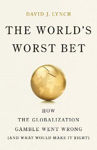
The World's Worst Bet: How the Globalization Gamble Went Wrong (And What Would Make It Right)
9781541704060
Why globalization failed so many Americans and why we must defend it in the face of burgeoning economic nationalism.
€32.26
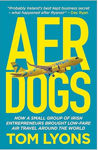
Aer Dogs : How a small group of Irish entrepreneurs brought low-fare air travel around the world
9781917105002
This is the story of a small team of Irish trailblazers who made low-cost air travel available to billions of people across Europe, Asia, North America and Latin America. It is a story that traces its roots back to Tony Ryan, the aviation pioneer behind leasing giant GPA and Ryanair. But it is the story of what happened next.
€19.95
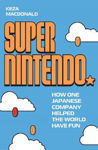
Exploring #Connectedness: Millennials And Gen Z
9781838314279
Our aspiration is that this #Connectedness Series will facilitate readers, and particularly students of third level Human Resources courses, to understand the complexity of the generations that are Gen Z and Millennials.
€17.27
Just Keep Buying: Proven ways to save money and build your wealth
9780857199256
Popular finance blogger Nick Maggiulli crunches the numbers to answer the biggest questions in personal finance and investing, while providing you with proven ways to build your wealth right away.
€17.17
For Profit : A History of Corporations
9781399805193
We have long been suspicious of corporations recklessly pursuing profit and amassing wealth and power. But the story of the corporation didn't have to be like this. For most of history, they were not amoral entities, but public institutions designed to promote the societies that granted them charter.
€19.38
Recently viewed products